

The landscape of facility maintenance has undergone a dramatic transformation with the emergence of advanced automation technologies. Modern businesses across manufacturing, healthcare, retail, and logistics sectors are increasingly recognizing the critical importance of maintaining pristine environments while optimizing operational costs. This evolution has led to the widespread adoption of sophisticated cleaning solutions that combine artificial intelligence, sensor technology, and mechanical engineering to deliver unprecedented levels of efficiency and consistency. The integration of these automated systems represents a fundamental shift from traditional manual cleaning approaches toward data-driven, precision-oriented maintenance strategies that align with contemporary operational demands.
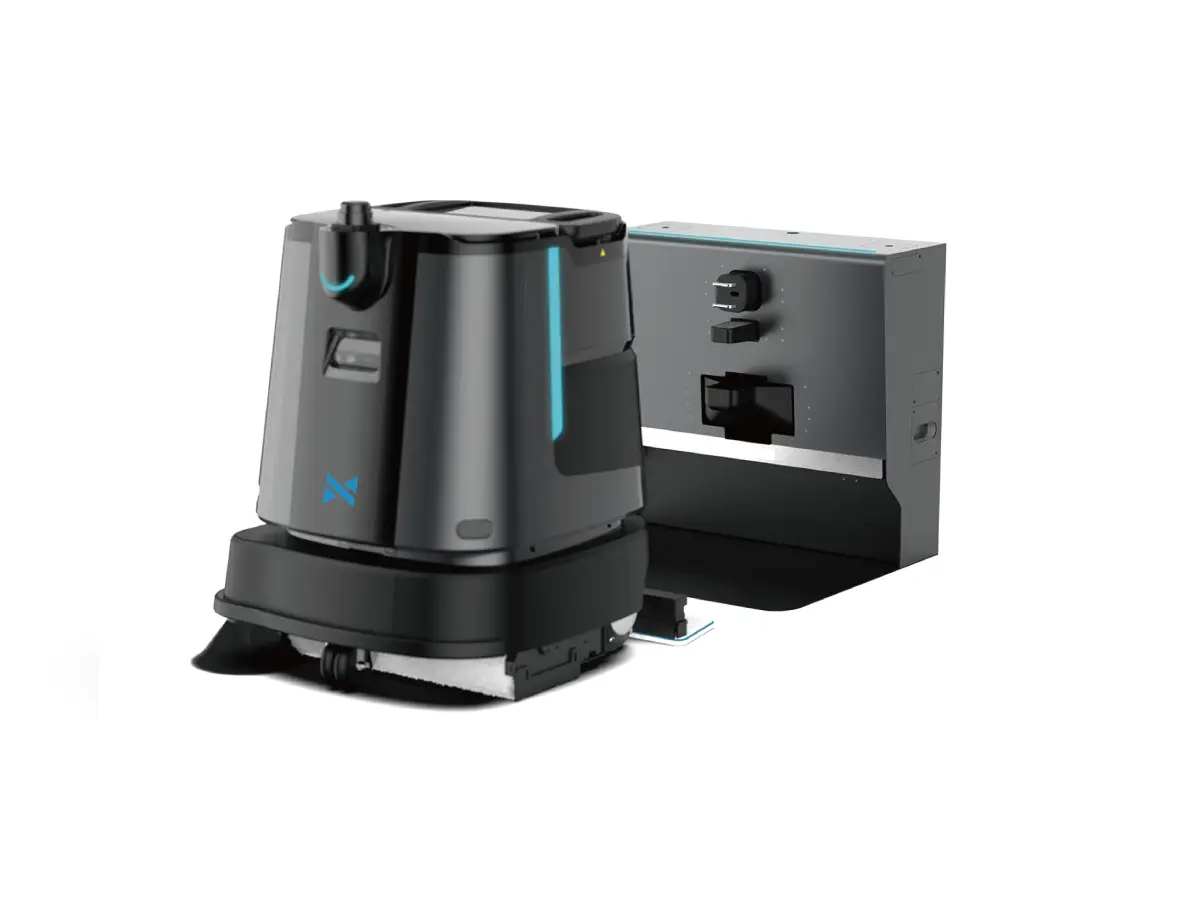
Contemporary automated cleaning platforms incorporate multiple sensor technologies to achieve comprehensive environmental awareness and precise navigation capabilities. LiDAR sensors create detailed three-dimensional maps of facility layouts, enabling these systems to identify obstacles, furniture arrangements, and architectural features with millimeter-level accuracy. Ultrasonic sensors provide additional proximity detection, ensuring safe operation around delicate equipment and personnel. Computer vision systems equipped with high-resolution cameras analyze surface conditions, detect spill patterns, and identify areas requiring specialized attention. This multi-sensor approach creates a robust perception framework that allows automated cleaning units to operate safely and effectively in complex industrial environments without human intervention.
The navigation algorithms powering these systems utilize simultaneous localization and mapping techniques to maintain precise positional awareness throughout cleaning cycles. These sophisticated pathfinding algorithms optimize cleaning routes to minimize energy consumption while ensuring complete coverage of designated areas. Real-time obstacle avoidance capabilities allow the systems to adapt dynamically to changing environmental conditions, such as moved equipment or temporary barriers. Advanced gyroscopic stabilization ensures consistent cleaning performance across various floor surfaces and inclines, while integrated GPS modules enable outdoor applications and large-scale facility management.
Machine learning algorithms continuously analyze cleaning patterns, facility usage data, and environmental conditions to optimize performance parameters and scheduling protocols. These intelligent systems learn from historical cleaning data to predict high-traffic areas, identify optimal cleaning frequencies, and adjust suction power or brush pressure based on surface types and contamination levels. Predictive maintenance algorithms monitor component wear patterns and performance metrics to schedule proactive maintenance interventions, reducing unexpected downtime and extending equipment lifespan. Natural language processing capabilities enable voice command integration and simplified user interfaces for facility management teams.
Deep learning neural networks process vast amounts of operational data to identify efficiency improvements and detect anomalous conditions that may indicate equipment malfunctions or environmental hazards. These systems can distinguish between different types of debris, adjusting cleaning strategies accordingly for optimal removal effectiveness. Advanced pattern recognition algorithms enable the identification of recurring contamination sources, allowing facility managers to implement targeted prevention strategies. Cloud-based analytics platforms aggregate data from multiple cleaning units to provide comprehensive insights into facility cleanliness trends and operational efficiency metrics.
The implementation of industrial cleaning robotics delivers substantial cost savings through reduced labor requirements, optimized chemical usage, and improved energy efficiency. Automated systems operate continuously without breaks, shift changes, or overtime compensation, providing consistent cleaning performance around the clock. Precision dispensing systems minimize chemical waste by applying exact quantities of cleaning agents based on surface conditions and contamination levels. Energy-efficient motors and optimized cleaning paths reduce electricity consumption compared to traditional cleaning equipment, while predictive maintenance protocols minimize repair costs and equipment replacement expenses.
Resource optimization extends beyond direct operational costs to encompass water conservation, reduced consumable usage, and minimized environmental impact. Advanced filtration systems capture and recycle cleaning solutions, reducing water consumption by up to sixty percent compared to conventional mopping systems. Intelligent scheduling algorithms coordinate cleaning activities during off-peak hours to minimize disruption to facility operations and reduce energy costs through time-of-use electricity rates. Comprehensive data analytics enable facility managers to identify inefficiencies and implement targeted improvements that further enhance cost-effectiveness and operational performance.
Automated cleaning systems deliver superior consistency compared to manual cleaning methods, ensuring uniform results across all areas of a facility regardless of time, day, or operational conditions. Precision-controlled brush systems maintain optimal contact pressure and rotation speeds to achieve thorough dirt removal without surface damage. Standardized cleaning protocols eliminate human variability factors such as fatigue, distraction, or skill level differences that can affect cleaning quality. Real-time quality monitoring systems use sensors to verify cleaning effectiveness and trigger additional passes when necessary to meet predetermined cleanliness standards.
Advanced suction systems with cyclonic separation technology provide superior debris collection capabilities, removing fine particles and allergens that traditional cleaning methods often leave behind. Antimicrobial surface treatments and UV sterilization modules offer enhanced sanitization capabilities, particularly valuable in healthcare, food processing, and pharmaceutical facilities. Detailed cleaning logs and photographic documentation provide comprehensive audit trails for compliance verification and quality assurance purposes. Continuous monitoring capabilities enable immediate detection and correction of cleaning deficiencies, maintaining consistently high standards throughout facility operations.
Successful implementation of industrial cleaning robotics requires comprehensive facility assessment to determine optimal system configurations and deployment strategies. Detailed floor plan analysis identifies potential navigation challenges, charging station locations, and storage requirements for cleaning supplies and equipment. Traffic pattern studies reveal peak usage periods and cleaning schedule optimization opportunities. Environmental condition assessments evaluate factors such as humidity levels, temperature variations, and potential interference sources that may affect system performance. Contamination source analysis helps determine appropriate cleaning technologies and consumable requirements for specific facility applications.
System selection criteria encompass payload capacity, battery life, cleaning width, and specialized feature requirements based on facility-specific needs. Scalability considerations ensure that chosen systems can accommodate future expansion or reconfiguration requirements. Integration compatibility with existing facility management systems enables seamless data exchange and centralized monitoring capabilities. Vendor evaluation processes assess technical support availability, training programs, and long-term partnership potential to ensure successful implementation and ongoing operational success.
Effective change management strategies address potential concerns about job displacement while highlighting opportunities for workforce development and role enhancement. Comprehensive training programs educate facility staff on system operation, maintenance procedures, and troubleshooting techniques. Skills development initiatives prepare existing cleaning personnel for supervisory and technical roles overseeing automated systems. Clear communication about implementation timelines, expected benefits, and operational changes helps build staff acceptance and support for new technologies.
Collaborative implementation approaches involve facility staff in system testing, feedback collection, and process refinement activities. Gradual deployment strategies allow for systematic training and adjustment periods that minimize disruption to ongoing operations. Recognition programs acknowledge staff contributions to successful implementation and encourage continued engagement with new technologies. Ongoing education programs ensure that personnel remain current with system updates and advanced features as technologies continue to evolve.
Healthcare environments demand the highest standards of cleanliness and infection control, making them ideal candidates for advanced automated cleaning technologies. Robotic systems equipped with hospital-grade disinfection capabilities can operate in patient care areas during off-hours, reducing cross-contamination risks while maintaining sterile conditions. Specialized attachments for different floor surfaces ensure appropriate cleaning methods for operating rooms, laboratories, and patient corridors. Compliance documentation features automatically generate cleaning records required for regulatory audits and accreditation processes.
Pharmaceutical manufacturing facilities benefit from contamination-free cleaning protocols that prevent cross-product contamination and maintain clean room standards. Automated systems can operate in controlled environments without introducing human-borne contaminants, supporting Good Manufacturing Practice compliance requirements. Real-time monitoring capabilities detect and respond to spill incidents immediately, preventing potential product contamination or safety hazards. Integration with facility environmental monitoring systems provides comprehensive data for validation and compliance reporting purposes.
Manufacturing environments present unique challenges including heavy debris, oil residues, and continuous production schedules that require specialized cleaning solutions. Industrial-grade robotic systems feature reinforced construction and powerful suction capabilities to handle metal shavings, coolant spills, and accumulated production waste. Explosion-proof configurations enable safe operation in hazardous environments with flammable materials or dust accumulation. Flexible scheduling systems accommodate production cycles and maintenance windows while ensuring continuous facility cleanliness.
Automotive manufacturing facilities utilize specialized cleaning protocols for paint booth maintenance, assembly line cleaning, and parts washing applications. Food processing plants benefit from sanitary design features and wash-down capabilities that meet strict hygiene requirements. Warehouse and distribution facilities leverage wide-area cleaning capabilities to maintain large open spaces efficiently while navigating around stored inventory and material handling equipment. Integration with facility management systems enables coordinated cleaning schedules that optimize both cleaning effectiveness and operational efficiency.
The next generation of industrial cleaning robotics will incorporate advanced artificial intelligence capabilities that enable autonomous decision-making and adaptive learning from environmental feedback. Neural network architectures will process complex visual data to identify specific contamination types and automatically select appropriate cleaning strategies. Predictive analytics will forecast maintenance needs based on usage patterns and environmental conditions, optimizing system availability and performance. Natural language interfaces will enable intuitive interaction between facility personnel and cleaning systems through voice commands and conversational queries.
Edge computing capabilities will enable real-time processing of sensor data without relying on cloud connectivity, improving response times and reducing bandwidth requirements. Federated learning algorithms will allow multiple cleaning units to share knowledge and improvements while maintaining data privacy and security. Advanced computer vision systems will identify and classify debris types, surface conditions, and cleaning effectiveness in real-time, enabling continuous optimization of cleaning parameters and techniques.
Future developments will emphasize environmental sustainability through improved energy efficiency, reduced chemical usage, and enhanced recycling capabilities. Solar-powered charging systems will enable off-grid operation and reduced electricity consumption for outdoor and remote facility applications. Biodegradable cleaning agents and water recycling systems will minimize environmental impact while maintaining cleaning effectiveness. Carbon footprint tracking and reporting features will help facilities meet sustainability goals and regulatory requirements.
Circular economy principles will influence system design through modular construction, component recyclability, and extended product lifecycles. Advanced battery technologies will improve energy density and reduce charging times while supporting longer operational periods. Smart grid integration will optimize energy consumption during peak and off-peak periods, reducing operational costs and grid strain. Comprehensive lifecycle assessment tools will help facilities evaluate and optimize the environmental impact of their cleaning operations.
The selection process should evaluate facility size, floor types, contamination levels, operational schedules, and existing infrastructure compatibility. Consider the system's navigation capabilities, cleaning width, battery life, and payload capacity to ensure adequate performance for your specific application. Assess integration requirements with existing facility management systems and evaluate vendor support services, training programs, and maintenance capabilities. Budget considerations should include initial investment costs, ongoing operational expenses, and potential return on investment through labor savings and efficiency improvements.
Advanced robotic systems utilize multiple cleaning technologies including adjustable brush systems, variable suction power, and specialized attachments for different surface types. Surface detection sensors automatically identify floor materials such as concrete, tile, carpet, or specialized industrial flooring and adjust cleaning parameters accordingly. Contamination level sensors assess debris density and soil accumulation to determine appropriate cleaning intensity and duration. Multi-stage filtration systems capture various particle sizes while specialized dispensing systems apply appropriate cleaning chemicals based on detected contamination types.
Routine maintenance includes regular cleaning of filters, brushes, and sensors to maintain optimal performance and prevent component damage. Battery maintenance involves monitoring charge cycles and replacing batteries according to manufacturer specifications to ensure reliable operation. Software updates should be installed regularly to access new features and performance improvements. Preventive maintenance schedules typically include lubrication of moving parts, calibration of sensors, and inspection of wear components such as brushes and squeegees.
Multiple safety systems including proximity sensors, emergency stop capabilities, and collision avoidance algorithms protect both personnel and equipment during operation. Advanced obstacle detection uses LiDAR, ultrasonic, and visual sensors to identify and avoid moving objects, personnel, and delicate equipment. Safety protocols include automatic shutdown procedures when sensors detect potential hazards or unauthorized access to operational areas. Integration with facility security systems enables coordinated operation that respects access restrictions and safety zones while maintaining comprehensive cleaning coverage.
Copyright © 2024-2026 Novautek Autonomous Driving Limited, All rights reserved. Privacy policy
 EN
EN
 Hot News