

Modern facilities face unprecedented security challenges that require innovative solutions beyond traditional human-only approaches. The emergence of autonomous security technologies has transformed how organizations protect their assets, personnel, and infrastructure. As businesses seek cost-effective ways to enhance their security posture, partnering with a security guard robot manufacturer has become an increasingly strategic decision. These advanced robotic systems offer round-the-clock surveillance capabilities, consistent performance standards, and comprehensive threat detection that complement existing security frameworks.
Security guard robot manufacturer solutions incorporate sophisticated navigation systems that enable autonomous patrolling across diverse facility layouts. These robotic units utilize advanced SLAM technology, LiDAR sensors, and computer vision to create detailed facility maps while identifying optimal patrol routes. The integration of artificial intelligence allows these systems to adapt patrol patterns based on historical incident data, environmental conditions, and specific security requirements. Unlike human guards who may experience fatigue or distraction, robotic security systems maintain consistent vigilance throughout their operational cycles.
The implementation of autonomous patrol capabilities significantly reduces human resource requirements while expanding security coverage areas. Robotic units can access confined spaces, navigate challenging terrain, and operate in hazardous environments where human presence might be limited or unsafe. This enhanced operational flexibility enables comprehensive facility monitoring that addresses security gaps often present in traditional security arrangements.
Contemporary security robots integrate multiple detection technologies including thermal imaging, motion sensors, facial recognition systems, and acoustic monitoring capabilities. This comprehensive sensor array enables simultaneous threat detection across various environmental conditions and scenarios. The fusion of multiple data streams through advanced algorithms enhances detection accuracy while minimizing false positive incidents that can burden security operations.
The sophisticated detection capabilities extend beyond basic intrusion monitoring to include environmental hazard identification, equipment malfunction detection, and behavioral pattern analysis. These expanded monitoring functions provide facility managers with comprehensive situational awareness that supports both security and operational efficiency objectives. Real-time data processing ensures immediate response protocols activate when threats or anomalies are detected.
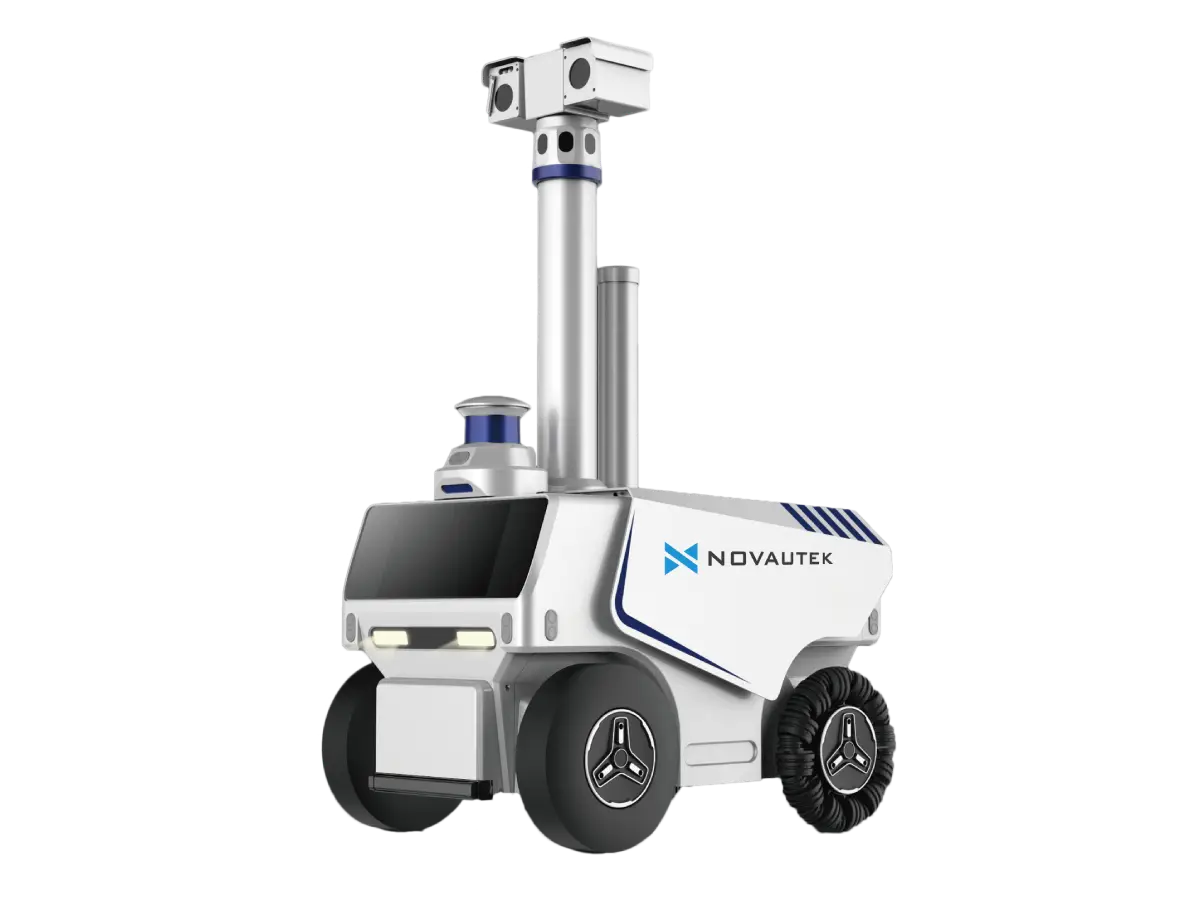
Investment in security guard robot manufacturer technology delivers substantial long-term cost advantages compared to traditional security staffing models. Robotic systems eliminate ongoing salary expenses, benefits costs, training requirements, and personnel management overhead associated with human security teams. The initial capital investment typically achieves return on investment within 18-24 months through reduced operational expenses and enhanced security effectiveness.
The economic benefits extend beyond direct cost savings to include reduced liability exposure, consistent service delivery, and elimination of human resource challenges such as scheduling conflicts, sick leave, and turnover. Robotic security systems operate continuously without breaks, vacation time, or shift changes, ensuring uninterrupted security coverage that maintains facility protection standards around the clock.
Modern security robots generate comprehensive data analytics that provide valuable insights into facility security patterns, vulnerability assessments, and threat trend analysis. This data collection capability enables security managers to make informed decisions regarding resource allocation, security protocol adjustments, and risk mitigation strategies. The analytical capabilities transform reactive security approaches into proactive threat prevention methodologies.
Integration with existing security management systems allows seamless data sharing across multiple platforms, creating unified security intelligence networks. Historical data analysis reveals patterns that might escape human observation, enabling predictive security measures that anticipate potential threats before they materialize. This intelligence-driven approach significantly enhances overall facility security effectiveness while optimizing resource utilization.
Successful deployment of security guard robot manufacturer solutions requires comprehensive facility assessment to determine optimal system configurations and integration requirements. Professional security consultants evaluate existing infrastructure, identify security vulnerabilities, and recommend robotic system specifications that address specific facility needs. This customized approach ensures maximum security effectiveness while avoiding unnecessary system complexity or costs.
The assessment process includes analysis of facility layouts, traffic patterns, environmental conditions, and existing security systems to develop integrated solutions that enhance rather than replace current security measures. Customization options include specialized sensors, communication protocols, and operational parameters tailored to unique facility requirements and security objectives.
Effective implementation requires comprehensive training programs that prepare existing security personnel to work collaboratively with robotic systems. Training encompasses system operation, monitoring protocols, maintenance procedures, and emergency response coordination. Proper change management ensures smooth transition while maintaining security team morale and operational effectiveness throughout the implementation process.
Integration strategies focus on positioning robotic systems as force multipliers that enhance human security capabilities rather than replacement technologies. This collaborative approach leverages the analytical capabilities of robotic systems while maintaining human judgment and decision-making in complex security scenarios. Ongoing training programs ensure personnel remain current with system updates and operational improvements.
The continuous advancement of artificial intelligence technologies drives ongoing improvements in security robot capabilities and performance standards. Machine learning algorithms enable systems to refine threat recognition accuracy, optimize patrol routes, and adapt to changing facility conditions automatically. These evolutionary improvements ensure that investments in security guard robot manufacturer technology remain current with emerging security challenges and technological developments.
Future AI developments promise enhanced predictive capabilities, improved human-robot interaction interfaces, and more sophisticated threat assessment algorithms. These advancements will further expand the effectiveness of robotic security systems while reducing operational complexity and maintenance requirements. Organizations investing in current robotic security technology benefit from ongoing capability improvements through software updates and system enhancements.
Modern security robots integrate seamlessly with Internet of Things ecosystems, creating comprehensive security networks that extend beyond traditional perimeter monitoring. IoT connectivity enables coordination with building management systems, access control platforms, and emergency response networks. This integration creates unified security environments where multiple systems share information and coordinate responses automatically.
Enhanced connectivity capabilities support remote monitoring, system diagnostics, and preventive maintenance scheduling that minimizes operational disruptions. Cloud-based data storage and processing enable advanced analytics and reporting capabilities that provide security managers with detailed performance metrics and trend analysis. These connectivity features ensure that robotic security systems remain integral components of comprehensive facility management strategies.
Security guard robots offer several advantages over human personnel including consistent performance, continuous operation without fatigue, and advanced detection capabilities through multiple sensor systems. However, human security personnel provide critical decision-making abilities, interpersonal skills, and adaptability in complex situations. The most effective security strategies combine robotic technology with human oversight to leverage the strengths of both approaches while addressing their respective limitations.
Security robot maintenance typically includes regular sensor calibration, software updates, battery management, and mechanical component inspection. Most security guard robot manufacturer solutions include comprehensive maintenance programs with scheduled service visits, remote diagnostics, and preventive maintenance protocols. Maintenance requirements are generally less complex than managing human security teams and can often be performed during off-peak hours to minimize operational disruption.
Modern security robots are designed with open architecture systems that integrate seamlessly with existing security infrastructure including access control systems, surveillance cameras, alarm networks, and security management platforms. Professional installation services ensure compatibility testing and system optimization to maximize integration benefits while maintaining existing security protocols and procedures.
ROI factors include initial system costs, ongoing operational expenses, facility size and complexity, current security staffing costs, and specific security requirements. Most organizations achieve positive ROI within 18-36 months through reduced personnel costs, improved security effectiveness, and decreased liability exposure. Comprehensive cost-benefit analysis should consider both direct financial savings and indirect benefits such as enhanced facility protection and operational efficiency improvements.
Copyright © 2024-2026 Novautek Autonomous Driving Limited, All rights reserved. Privacy policy
 EN
EN
 Hot News