

The landscape of corporate security has undergone a dramatic transformation as global enterprises increasingly recognize the limitations of traditional security approaches. Forward-thinking companies across industries are now establishing strategic partnerships with advanced technology providers to revolutionize their security operations. This shift represents more than just technological adoption; it signals a fundamental change in how organizations approach risk management, operational efficiency, and long-term security strategy in an increasingly complex business environment.
The convergence of artificial intelligence, advanced sensor technology, and autonomous systems has created unprecedented opportunities for organizations to enhance their security capabilities while simultaneously reducing operational costs. Companies that partner with specialized robotics providers gain access to cutting-edge solutions that deliver consistent performance, reduce human error, and provide comprehensive surveillance capabilities that operate seamlessly around the clock. These partnerships are reshaping security standards across manufacturing facilities, corporate campuses, logistics centers, and critical infrastructure worldwide.
Conventional security approaches have historically relied heavily on human personnel, creating inherent challenges including inconsistent performance, high turnover rates, and significant ongoing training requirements. Global corporations have recognized that human-centric security models struggle to provide the reliable, scalable protection needed for modern business operations. The financial burden of maintaining large security teams, combined with the difficulty of ensuring consistent quality across multiple shifts and locations, has prompted organizations to explore more sustainable alternatives.
The complexity of contemporary security threats has further exposed the limitations of traditional approaches. Modern enterprises face sophisticated challenges ranging from cyber-physical attacks to coordinated theft operations that require advanced detection capabilities and rapid response times. Human security personnel, despite their best efforts, cannot match the precision and reliability of automated systems designed specifically for threat detection and incident response. This realization has accelerated corporate interest in robotic security solutions that can supplement or replace traditional security measures.
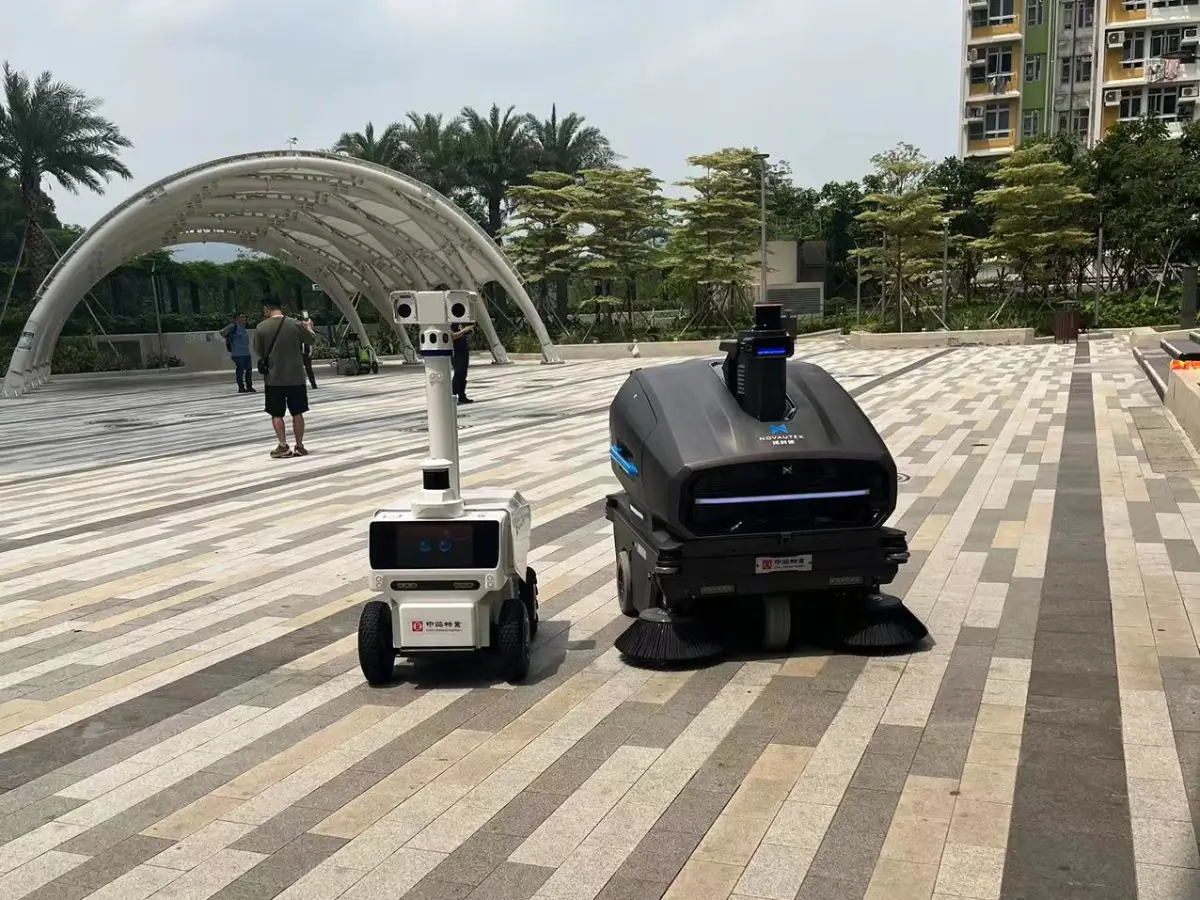
While cost considerations initially attract many companies to robotic security partnerships, the strategic advantages extend far beyond financial savings. Organizations discover that working with a security guard robot manufacturer provides access to continuous innovation, regular software updates, and evolving capabilities that keep pace with emerging threats. These partnerships enable companies to maintain cutting-edge security infrastructure without the need for extensive internal research and development investments.
The scalability offered through manufacturer partnerships represents another compelling advantage for global corporations. As businesses expand operations across multiple locations, partnering with established robotics providers ensures consistent security standards and seamless integration across diverse geographical markets. This standardization simplifies management processes, reduces training requirements, and enables centralized monitoring capabilities that enhance overall security effectiveness while streamlining operational oversight.
Modern security robots incorporate sophisticated sensor arrays that surpass human detection capabilities across multiple dimensions. These systems combine high-resolution cameras, thermal imaging, motion sensors, and audio detection to create comprehensive awareness of their operational environment. The integration of artificial intelligence enables these systems to distinguish between normal activities and potential security threats, reducing false alarms while ensuring that genuine incidents receive immediate attention.
Machine learning algorithms continuously improve detection accuracy by analyzing patterns and adapting to specific environmental conditions. This evolutionary capability means that security robots become more effective over time, learning to recognize legitimate personnel, understand normal operational rhythms, and identify anomalous behaviors that warrant investigation. The combination of advanced hardware and intelligent software creates security solutions that deliver consistent performance while adapting to changing operational requirements.
Successful partnerships between corporations and security robot manufacturers prioritize seamless integration with existing security infrastructure and operational systems. Modern robotic security solutions are designed to complement rather than completely replace established security measures, creating hybrid approaches that maximize effectiveness while minimizing disruption. Integration capabilities include connectivity with access control systems, alarm networks, and central monitoring stations to ensure comprehensive security coverage.
The interoperability of robotic security systems with enterprise software platforms enables organizations to incorporate security data into broader operational analytics and risk management frameworks. This integration provides valuable insights into facility usage patterns, identifies potential vulnerabilities, and supports data-driven decision making for security planning and resource allocation. Companies that establish strong partnerships with robotics manufacturers gain access to ongoing technical support and system optimization services that ensure maximum return on investment.
Manufacturing companies represent one of the largest segments embracing partnerships with security robot manufacturers due to the unique challenges of protecting large industrial facilities. These environments often feature complex layouts, valuable equipment, and hazardous materials that require specialized security approaches. Robotic security solutions excel in industrial settings by providing consistent patrol coverage, monitoring restricted areas, and detecting unauthorized access attempts without being affected by environmental factors that might impair human performance.
The integration of security robots in manufacturing facilities has demonstrated measurable improvements in theft prevention, safety compliance, and operational efficiency. These systems can operate continuously in environments that may be uncomfortable or potentially dangerous for human personnel, including areas with extreme temperatures, chemical hazards, or high noise levels. The ability to maintain security coverage during shift changes, break periods, and holidays ensures uninterrupted protection for valuable assets and intellectual property.
Large corporate campuses present unique security challenges due to their size, multiple entry points, and diverse user populations including employees, visitors, contractors, and delivery personnel. Security robot partnerships enable organizations to maintain comprehensive coverage across expansive properties while providing a professional, technology-forward image that aligns with modern corporate branding. These systems can efficiently patrol parking areas, monitor perimeter boundaries, and provide assistance to visitors while maintaining detailed logs of all activities.
The deployment of robotic security systems in corporate environments has proven particularly effective for after-hours protection when facilities are largely unoccupied. During these periods, security robots can detect and investigate potential intrusions, monitor for environmental hazards such as water leaks or fire risks, and coordinate with emergency response services when necessary. This comprehensive coverage provides peace of mind for facility managers while reducing the costs associated with overnight security staffing.
The financial case for partnering with security robot manufacturers becomes compelling when organizations conduct comprehensive total cost of ownership analyses that account for all aspects of security operations. While the initial investment in robotic systems may appear substantial, the elimination of ongoing personnel costs, benefits, training expenses, and turnover-related disruptions creates significant long-term savings. Most organizations discover that robotic security solutions achieve full return on investment within two to three years of deployment.
Beyond direct cost savings, security robot partnerships provide financial benefits through improved risk management and reduced liability exposure. The consistent performance and detailed documentation capabilities of robotic systems help organizations demonstrate due diligence in security matters, potentially reducing insurance premiums and legal risks. The prevention of theft, vandalism, and other security incidents through enhanced detection and deterrence capabilities provides additional financial protection that contributes to overall return on investment.
Security robot partnerships enable organizations to optimize resource allocation by redirecting human security personnel to higher-value activities that require human judgment and interpersonal skills. Rather than eliminating jobs, many companies use robotic security solutions to enhance the effectiveness of their existing security teams by providing them with advanced tools and focusing their efforts on tasks that benefit from human expertise such as investigations, emergency response, and customer service.
The data collection and analysis capabilities of robotic security systems provide valuable insights that support broader operational optimization efforts. Organizations can use security data to understand facility usage patterns, identify opportunities for energy savings, optimize cleaning schedules, and improve space utilization. These operational benefits extend the value of security robot partnerships beyond traditional security functions to support overall facility management and operational excellence initiatives.
The rapid advancement of artificial intelligence and machine learning technologies continues to expand the capabilities of security robots, making partnerships with manufacturers increasingly attractive for forward-thinking organizations. Future developments in computer vision, natural language processing, and predictive analytics will enable security robots to provide even more sophisticated threat detection, behavioral analysis, and proactive security management capabilities. Companies that establish partnerships now position themselves to benefit from these advancing technologies as they become available.
The integration of edge computing and 5G connectivity will further enhance the real-time processing capabilities of security robots, enabling faster response times and more sophisticated analysis of security events. These technological improvements will support the development of collaborative robot networks that can coordinate activities across multiple units and share intelligence to improve overall security effectiveness. Organizations with established manufacturer partnerships will have priority access to these advanced capabilities as they are developed and deployed.
The convergence of security robotics with smart building technologies represents a significant opportunity for organizations seeking to create comprehensive, integrated facility management solutions. Future security robots will seamlessly interface with building automation systems, environmental controls, and occupancy management platforms to provide holistic facility monitoring and management capabilities. This integration will enable more efficient operations, improved energy management, and enhanced occupant comfort while maintaining superior security protection.
The development of standardized communication protocols and open integration platforms will facilitate the creation of interconnected security ecosystems that combine robotic patrols, fixed sensors, access control systems, and human oversight into unified security operations centers. Organizations that partner with innovative manufacturers will benefit from early access to these integrated solutions and the competitive advantages they provide in terms of operational efficiency and security effectiveness.
Companies should evaluate several critical factors including the manufacturer's track record and experience in their specific industry, the technical specifications and capabilities of the robotic systems, integration compatibility with existing security infrastructure, and the availability of ongoing technical support and maintenance services. It is also important to assess the manufacturer's financial stability, research and development capabilities, and commitment to continuous innovation to ensure long-term partnership viability.
Modern security robots are equipped with sophisticated communication systems that enable immediate notification of human security personnel, law enforcement, or emergency services when incidents are detected. These systems can provide real-time video feeds, precise location information, and detailed incident documentation to support rapid and effective response. Many robots also include two-way communication capabilities that allow remote operators to assess situations and provide guidance while emergency responders are en route.
Implementation timelines vary depending on facility size, complexity, and integration requirements, but most deployments follow a structured process that takes approximately 8-16 weeks from initial assessment to full operational deployment. This timeline includes site surveys, system customization, infrastructure preparation, staff training, and phased rollout with performance monitoring and optimization. Experienced manufacturers typically provide detailed project management support to ensure smooth implementation with minimal operational disruption.
Professional security robots are designed with robust environmental protection features including weatherproof housing, temperature regulation systems, and specialized sensors that maintain performance in various conditions including rain, snow, extreme temperatures, and low-light environments. Advanced models include features such as heated camera lenses, all-terrain mobility systems, and backup power supplies to ensure continuous operation. Manufacturers typically provide detailed specifications regarding operational parameters and environmental limitations for each model to ensure appropriate deployment.
Copyright © 2024-2026 Novautek Autonomous Driving Limited, All rights reserved. Privacy policy
 EN
EN
 Hot News