

Manufacturing facilities, warehouses, and commercial spaces across multiple industries are experiencing a transformative shift in their cleaning operations through the adoption of advanced automation technologies. Industrial cleaning robotics represents a revolutionary approach to maintaining large-scale facilities, offering unprecedented efficiency, consistency, and cost-effectiveness compared to traditional manual cleaning methods. These sophisticated machines are equipped with advanced sensors, artificial intelligence, and specialized cleaning mechanisms that enable them to navigate complex environments while delivering superior cleaning results.
The implementation of robotic cleaning systems has become increasingly crucial as businesses seek to optimize operational efficiency while maintaining the highest standards of cleanliness and hygiene. Modern facilities face growing pressure to reduce labor costs, improve safety standards, and ensure consistent cleaning quality across vast floor spaces. Automated cleaning solutions address these challenges by providing reliable, programmable cleaning schedules that operate independently of human supervision, allowing facility managers to allocate human resources to more strategic tasks while ensuring continuous maintenance of clean, professional environments.
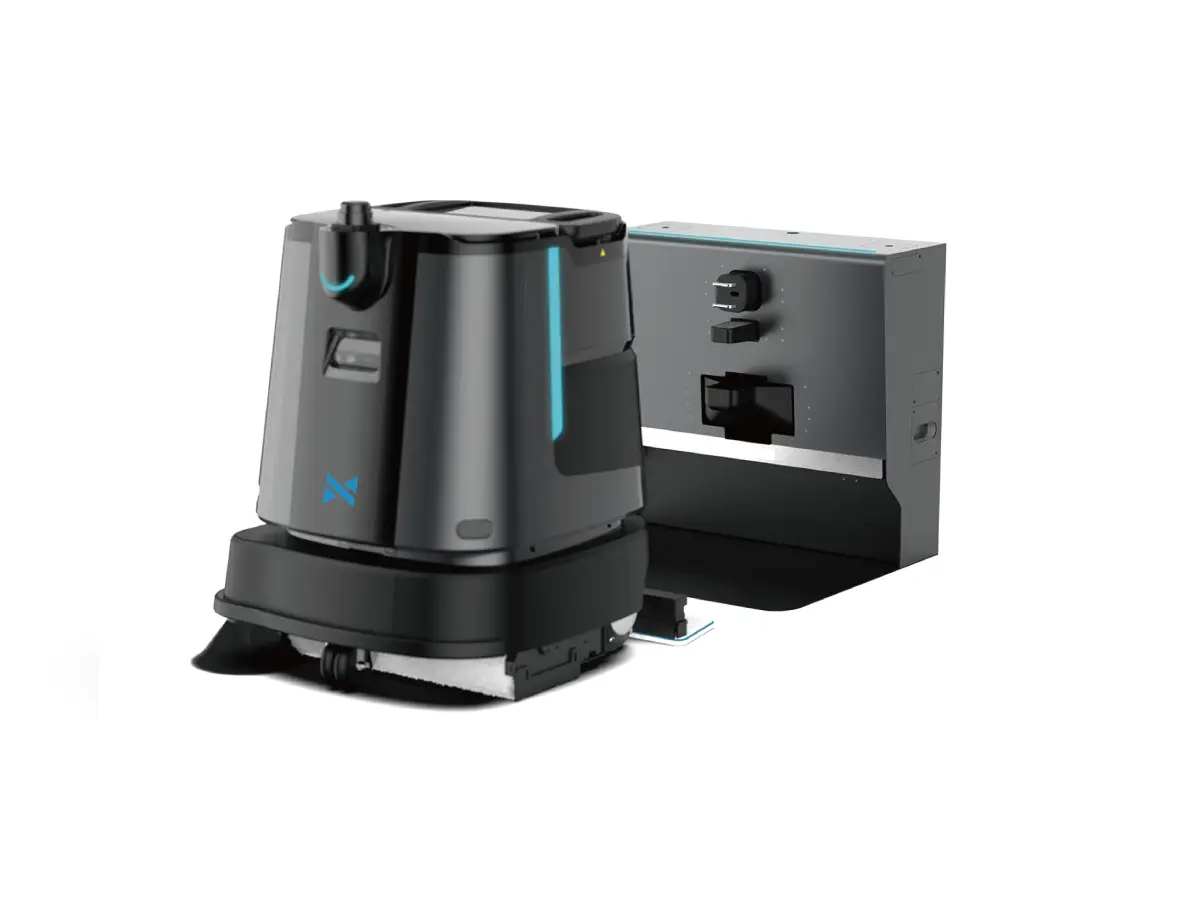
Automotive production facilities represent one of the most significant beneficiaries of industrial cleaning robotics technology, given their extensive floor areas and stringent cleanliness requirements. These environments demand consistent cleaning to prevent contamination of sensitive manufacturing processes while maintaining safety standards for thousands of workers operating across multiple shifts. Robotic cleaning systems excel in these settings by navigating around complex machinery layouts, cleaning under conveyor systems, and maintaining consistent cleaning schedules regardless of production cycles.
The precision required in automotive manufacturing makes traditional cleaning methods inadequate for modern production standards. Industrial cleaning robotics provides the consistency and reliability necessary to maintain contamination-free environments where even microscopic particles can compromise product quality. These systems can operate during production downtime, ensuring facilities are pristine when manufacturing resumes while reducing the risk of workplace accidents associated with manual cleaning around heavy machinery.
Electronics manufacturing facilities require exceptionally clean environments where even minimal dust particles can cause significant product defects and financial losses. Industrial cleaning robotics systems designed for these environments incorporate advanced filtration and precision cleaning capabilities that surpass human cleaning capabilities. These robots can maintain the exacting cleanliness standards required for semiconductor fabrication while operating in controlled environments without introducing additional contaminants.
The economic impact of implementing robotic cleaning in electronics manufacturing extends beyond labor savings to include reduced product defect rates and improved yield percentages. Clean room environments benefit particularly from automated cleaning systems that can maintain consistent environmental conditions while minimizing human traffic and potential contamination sources. These facilities often operate continuous production schedules, making the 24/7 availability of robotic cleaning systems invaluable for maintaining operational efficiency.
Healthcare facilities face unique cleaning challenges that make industrial cleaning robotics an essential investment for maintaining patient safety and regulatory compliance. Hospitals require continuous cleaning and disinfection to prevent healthcare-associated infections, while managing high patient volumes and complex facility layouts. Robotic cleaning systems equipped with UV disinfection capabilities and specialized cleaning solutions can provide consistent, thorough cleaning that reduces pathogen transmission risks.
The integration of industrial cleaning robotics in healthcare settings addresses critical staffing challenges while improving cleaning consistency across different departments and shifts. These systems can navigate around medical equipment, clean patient rooms between occupancies, and maintain sterile environments in operating theaters and intensive care units. Advanced sensors enable these robots to detect and avoid patients, medical staff, and sensitive equipment while ensuring comprehensive cleaning coverage.
Pharmaceutical manufacturing requires adherence to strict regulatory standards and contamination control protocols that make robotic cleaning systems invaluable for maintaining compliance and product quality. Clean room environments in pharmaceutical facilities demand precise cleaning procedures that eliminate cross-contamination risks while maintaining the sterile conditions necessary for drug production. Industrial cleaning robotics provides the consistency and documentation capabilities required for regulatory audits and quality assurance programs.
The validation and documentation capabilities of modern cleaning robots align perfectly with pharmaceutical industry requirements for traceability and process control. These systems can generate detailed cleaning reports, maintain consistent cleaning parameters, and provide the documentation necessary for FDA compliance and quality management systems. The ability to program specific cleaning protocols for different areas within pharmaceutical facilities ensures appropriate cleaning intensity and chemical usage for various production zones.
Large-scale e-commerce fulfillment centers represent ideal environments for industrial cleaning robotics deployment due to their vast floor areas and 24/7 operational schedules. These facilities require continuous cleaning to maintain safe working conditions for employees and automated systems while managing high volumes of inventory movement. Robotic cleaning systems can operate during shift changes and low-activity periods, ensuring clean, safe working environments without disrupting fulfillment operations.
The scale and complexity of modern fulfillment centers make manual cleaning impractical and inefficient, while robotic systems can cover extensive areas systematically and repeatedly. These environments often feature narrow aisles, high shelving systems, and complex conveyor networks that require specialized navigation capabilities. Advanced cleaning robots can map these environments, avoid obstacles, and maintain consistent cleaning schedules that complement automated inventory systems and human workforce activities.
Cold storage facilities and food distribution centers face unique cleaning challenges related to temperature control, food safety regulations, and specialized flooring requirements. Industrial cleaning robotics designed for these environments must operate effectively in low-temperature conditions while maintaining food safety standards and preventing contamination. These systems provide consistent cleaning that supports HACCP compliance and reduces the risk of foodborne illness outbreaks.
Temperature-controlled environments present significant challenges for human cleaning crews, making robotic systems particularly valuable for maintaining consistent cleaning quality regardless of environmental conditions. Specialized cleaning robots can handle the unique requirements of refrigerated spaces, including condensation management, specialized sanitizing solutions, and the need for rapid cleaning cycles to minimize temperature fluctuations during facility maintenance periods.
Large corporate office buildings benefit significantly from industrial cleaning robotics through improved cleaning consistency, reduced labor costs, and enhanced building maintenance programs. Modern office environments feature complex layouts with multiple floor levels, diverse surface materials, and varying cleaning requirements throughout different areas. Robotic cleaning systems can adapt to these diverse environments while maintaining consistent cleaning standards across the entire facility.
The professional appearance of office environments directly impacts business operations and employee satisfaction, making consistent cleaning quality essential for corporate image and productivity. Industrial cleaning robotics ensures that common areas, hallways, and open office spaces maintain professional appearance standards while allowing facility management to focus human cleaning resources on specialized tasks such as restroom maintenance and detailed office cleaning.
Shopping centers and large retail environments face continuous cleaning challenges due to high foot traffic, diverse tenant requirements, and extended operating hours. Industrial cleaning robotics provides the capability to maintain clean, attractive shopping environments while managing the scale and complexity of modern retail facilities. These systems can operate during off-hours or low-traffic periods, ensuring facilities are clean and presentable for customers and tenants.
The customer experience in retail environments is directly influenced by cleanliness and facility maintenance, making consistent cleaning quality essential for business success. Robotic cleaning systems can maintain common areas, corridors, and large open spaces while adapting to seasonal variations in foot traffic and special events. The ability to program cleaning schedules around tenant operations and customer peak hours maximizes cleaning effectiveness while minimizing disruption to retail activities.
Airport terminals and transportation hubs represent complex cleaning challenges due to their size, 24/7 operations, and high passenger volumes. Industrial cleaning robotics provides the scalability and consistency necessary to maintain these facilities while managing the logistical challenges of cleaning around continuous passenger flow and operational requirements. These systems can navigate complex terminal layouts, avoid passenger areas, and maintain cleaning schedules that complement flight operations and passenger services.
The public health and safety implications of maintaining clean transportation facilities make robotic cleaning systems particularly valuable for ensuring consistent cleaning quality regardless of staffing challenges or operational demands. Advanced cleaning robots can handle the diverse surface materials and cleaning requirements found in airports, from polished floors to carpeted areas, while maintaining the professional appearance essential for positive passenger experiences.
Multi-level parking structures present unique cleaning challenges that make industrial cleaning robotics an effective solution for maintaining safe, clean parking environments. These facilities require regular cleaning to prevent debris accumulation, maintain visibility for safety, and preserve structural integrity through proper maintenance. Robotic cleaning systems can navigate ramps, clean around parked vehicles, and maintain consistent cleaning schedules regardless of weather conditions or usage patterns.
The safety and liability considerations associated with parking structure maintenance make consistent cleaning quality essential for facility operators. Industrial cleaning robotics provides reliable cleaning coverage that reduces slip hazards, maintains proper drainage systems, and ensures parking facilities present a professional appearance that reflects positively on associated businesses or institutions.
Facilities should evaluate factors including floor area coverage requirements, surface types and cleaning needs, facility layout complexity, operational schedules, and integration with existing building systems. Additional considerations include maintenance requirements, staff training needs, return on investment calculations, and the ability to customize cleaning programs for specific facility requirements. The evaluation should also consider future scalability and the potential for expanding robotic cleaning coverage as operations grow.
Modern industrial cleaning robots utilize advanced sensor technologies including lidar, cameras, and ultrasonic sensors to map facility layouts and navigate around obstacles in real-time. These systems create detailed facility maps that enable efficient cleaning path planning while avoiding permanent fixtures and temporary obstacles. Advanced artificial intelligence algorithms allow robots to adapt to changing environments, learn optimal cleaning routes, and respond appropriately to unexpected obstacles or changes in facility layout.
Industrial cleaning robotics systems require regular maintenance including cleaning solution refills, battery charging or replacement, sensor cleaning, and periodic software updates. Most systems include diagnostic capabilities that alert operators to maintenance needs and potential issues before they impact performance. Manufacturer support typically includes training programs, technical support, replacement parts availability, and software updates that enhance system capabilities and performance over time.
Modern industrial cleaning robots can integrate with building management systems, security networks, and facility scheduling platforms to coordinate cleaning activities with other building operations. Integration capabilities include communication with access control systems, coordination with HVAC schedules, and reporting integration with facility management software. These systems can also provide detailed cleaning reports and performance data that support facility management decision-making and compliance documentation requirements.
Copyright © 2024-2026 Novautek Autonomous Driving Limited, All rights reserved. Privacy policy
 EN
EN
 Hot News