

Éilíonn dúshláin slándála nua réiteachtaí nuálacha a téann thar mhodhanna traidisiúnta faireachais. Tionchair an éagsúlacht i teicneolaíocht slándála uathrialach an bealach a chosnaíonn gnóthaí a gcuid ionad, acmhainní, agus daoine. Is ceann de na príomh- gortaithe sábhála sábhála cuireann béimeanna ar fhíricheanna nuálacha ealaíne, scagairí casta, agus córais longbhardais chliste le chéile chun réiteachtaí faireachais chuimsitheacha a chruthú a oibríonn timpeall an chloig gan intervention duine.
Tá an réimse slándála fhisiciúil faoi dhroim athraithe dramatach mar a aithníonn eagraíochtaí teorainneacha na gceamaraí stadacha agus na patrólacha daonna. Ionann róbóit slándála uathrialacha agus athrú paradaim a lánann breisíní i gcúlú, a laghdaíonn costais oibre, agus a sholáthraíonn cumais faireachais leanúnacha nach dtuirseann nó nach ndéanann drochshuimh riamh. Cuireann na gluaisteáin chliste seo bogadh le ciall le chéile chun críocha slándála dinimiciúla a chruthú a oiriúnú do threoluíochtaí threats agus coinníollacha comhshaoil atá ag athrú.
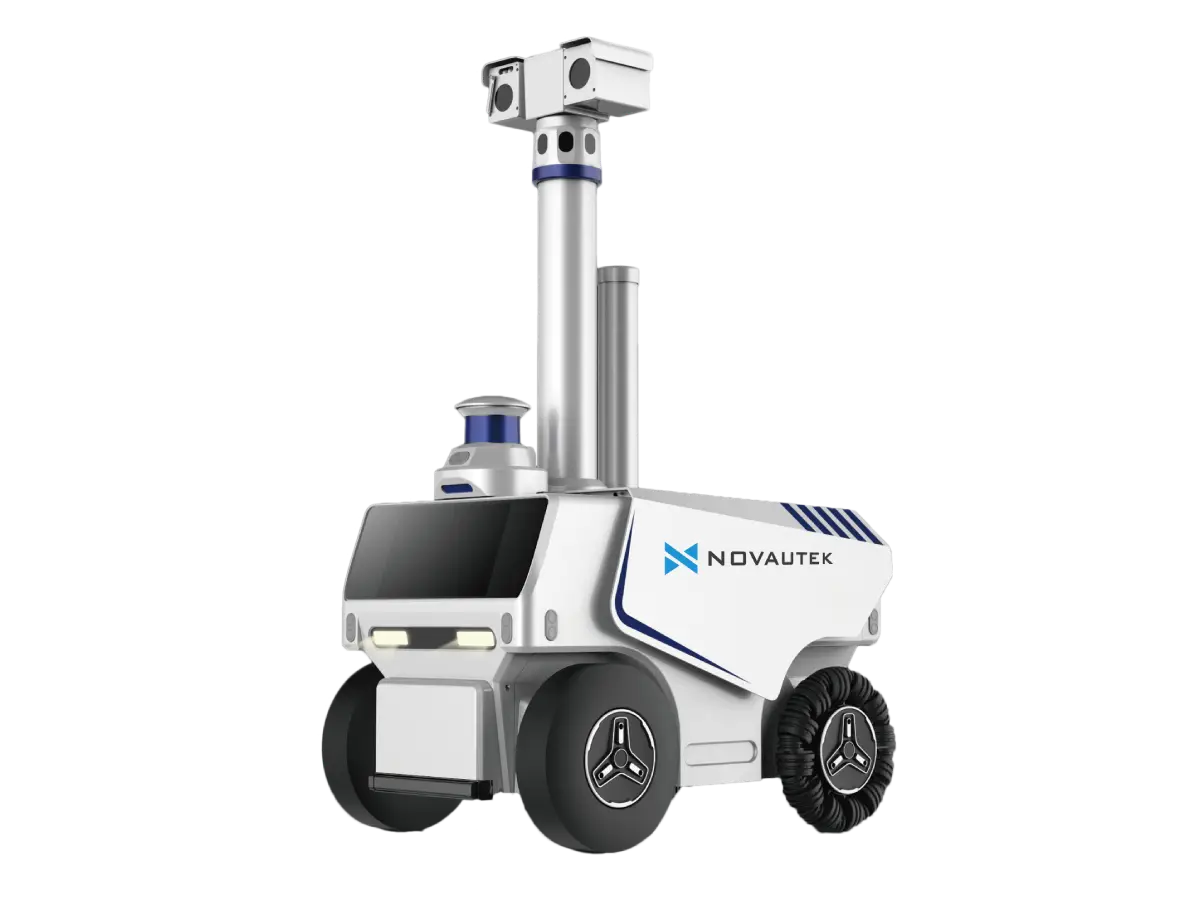
Úsáideann róibíní comhaimseartha slándála sraithánacha éagsúla sonraí a oibríonn i gcomhordú le chéile chun cineálacha éagsúla teangaí agus eisceachtaí a bhrath. Soláthraíonn ceamaraí íomháil teasa cumas brath forbartha i dtímeanna íseal-solas, agus bíonn ceamaraí optúla ard-chréatásach tar éis faisnéis fhaisnéiseacha mionsonraithe a bhaint amach le linn oibríochta lae. Déanann na córais chóimhiotaithe seo clúdach iomlán a chinntiú, neamhspleách ar thionchanchoinníollacha nó ar an am láe.
Braithann sonraí fionnraon infridhearg sínigh teasa a léiríonn láithreacht dhaoine, fiú nuair a iarrobh daoine a bheith folaithe nó camúilte. Anailíonn algartaim chasta brathbharraí patrúin gluaiseachta chun difríocht a dhéanamh idir pearsain údaraithe, ionfhabhtóirí féideartha, agus factóirí timpeallach cosúil le hainmhithe nó pléascáin. Laghdaíonn anailís chliste seo alarmaí míchearta, agus é ag coimeádáil ar ard-innishlaint dona teangacha slándála.
Is féidir le comhtháthálaithe fuaime a bhfuil micreofónanna treochoimheasach acu neartacha neamhghnácha, glass phá, nó threats fhuaimiúla a bhriseadh a bhriseadh ar chlúdaí mór. Bainfidh algartaim mhacanaíocht anailís as na ionchuingí fuaime seo chun sínithe threats sonracha a aithint agus fuaim idirphláta agus fuaim oibre gnácha a scagadh. Leathnaíonn an cumas faireachta fualaithe seo faoi cheann de réimsí faireachta amhairc an róbóit.
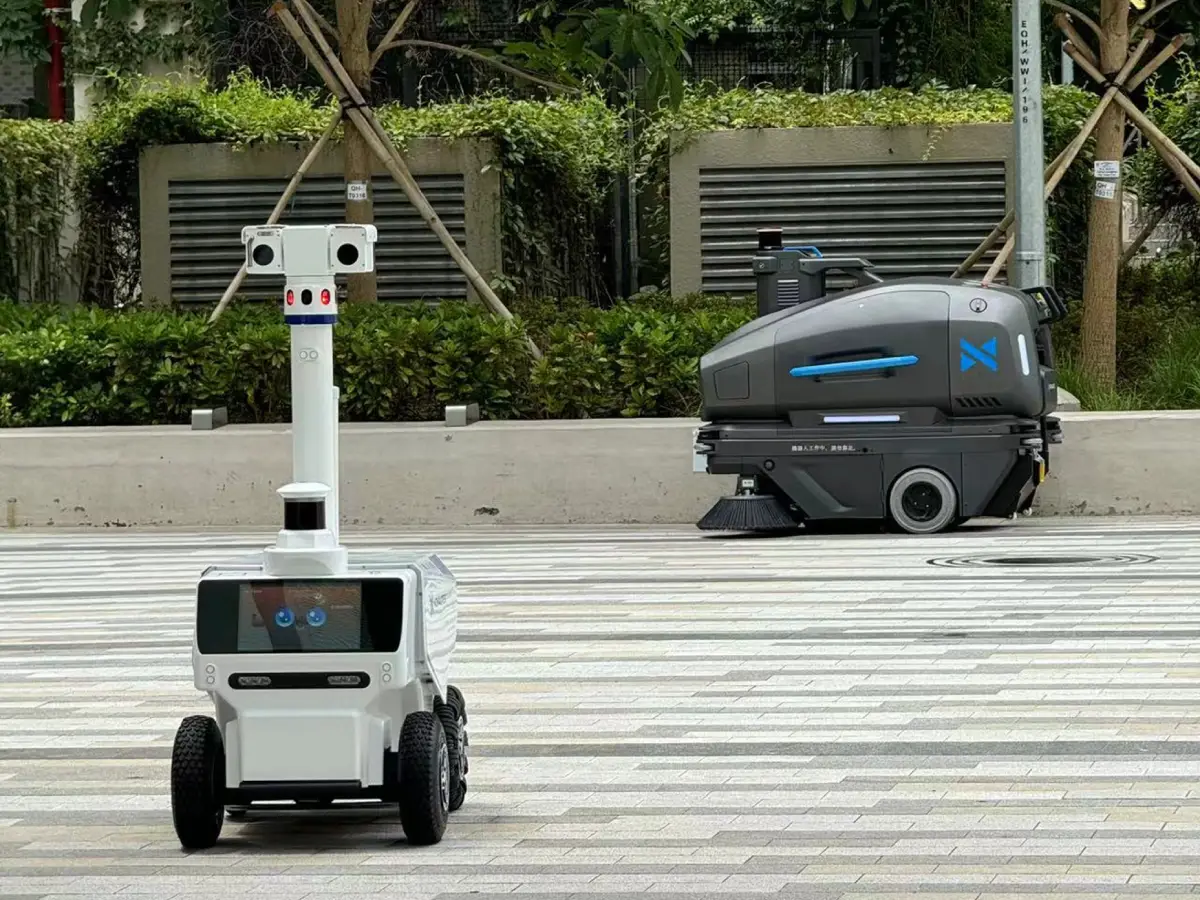
Cuireann róbóit slándála nua-aimseartha comhtháthálaithe comhshaoil isteach a fhreastalaíonn ar cháilíocht an aeir, ar athruithe teochta, agus ar leibhéil galra a d'fhéadfadh tine nó leicthe ceimiceacha a léiriú. Soláthraíonn na comhtháthálaithe córas rabhadh luath do thairbhearta comhshaoil a d'fhéadfadh sláinte na ndaoine nó intégráid na háite a mhaolú. Aithníonn na cumais braitheadh ghás substaintí contúirteacha a éilíonn aire láithreach agus móid imshruthaithe.
Déanann comhtháthálaithe brú aeirfheidhmneachais iniúchtaí tapa a aithníonn a d'fhéadfadh tine fhuarainn nó neamhord in limistéir thart timpeall. Is féidir le comhtháthálaithe croith a bhfuil iontu sa chásacht róbóta croith anaithnid talún nó impíochtaí a aithint a léiríonn géarchloch, scoilteadh nó mí-oibriú innealtóireachta. Cuireann na cumais fhiontana seo ar róbóit slándála mar ardán slándála ilghnéitheach.
Ligeann córais fiontana aimsire do róbóit a gcuid patrólacha agus íogaireachta sonraí a choigeartú bunaithe ar na coinníollacha reatha. Tiontaíonn báisteach, sneachta, ceo agus teochtaí éadroma feidhmneacht na gcomhtháthálaithe agus éilíonn siad ailgéabrát oibre atógailte a chaomhnaíonn fiontanas éifeachtach fiáin patrúní aimsire dúshlánaí. Ligeann an t-aigniú ar an gcomhthéacs seo clúdach slándála leanúnach tríd an tréimhse bliantúil agus imeachtaí aimsire gan roimhe a fhios.
Córais AI chliste a anailíonn patrúin i gceird an duine chun gníomhaíochtaí amhrasacha a aithint sula méadaíonn siad go hinéirní slándála. Foghlaimíonn na hailgéabraí seo patrúin gníomhaíochta gnácha do shonraí áiteanna agus tréimhsí ama, bunús a bhunú a chumasaíonn orthu neamhord a aithint a éilíonn tuairiscí breise. Síneann comhdhúilteachtaí aitheanta patrún níos faide ná dearbhadh gluaiseacht simplí chun galánta, seomlú agus patrúin idirghnímh a anailísiú.
Tugann teicneolaíocht aitheantais aghnaithe leis anailís iarchomhaidhm comhdhúilteachtaí aitheantais a raineann daoine ar fud ionad. Is féidir le hailgéabraí chasta duine atá ar eolas acu mar uafás slándála a aithint ó bhunachair sonraí slándála agus freisin daoine a léiríonn patrúin cheird amhrasacha a bhratacháil. Cruthaíonn an chombáin seo den aitheantas agus anailís ceird córas scagaire cumhachtach do rialú rochtana agus meastachán uafáis.
Déanann halgartaim anailíse iompair sluaite monatóireacht ar dhinimic ghrúpa agus aithníonn siad cásanna a d’fhéadfadh foréigean, scaoll nó bailiúcháin neamhúdaraithe a bheith mar thoradh orthu. Is féidir leis na córais seo staidiúir ionsaitheacha, patrúin bailithe neamhghnácha, agus saincheisteanna dlúis sluaite a bhrath a éilíonn idirghabháil slándála. Cuireann luathbhrath fadhbanna a bhaineann le sluaite ar chumas freagairtí réamhghníomhacha a chuireann cosc ar theagmhais sula dtarlaíonn siad.
Anailísíonn algairimím macine foghlama sonraí eachtrach eachtracha chun patrúin a aithint agus réimsí lag ionaid a thuar. Áirítear fachtóirí amach mar ama lá, coinníollacha aimsire, scéimeanna pearsanra, agus suíomhna eachtracha roimhe seo i nginiúint meastóid dóchúlachta achrainne. Ligeann an eolas seo do fhoirne slándála acmhainní a shannadh níos éifeachtaí agus tomhais chun ionsaí a choinneáil.
Meastaróidh ailgéabraí meathanaíochta i ndáiríre coinníollacha reatha i gcoinne taiscíní triail aitheanta chun rátaí slándála dinimiciúla a sholáthar do réimsí éagsúla áiteanna. Cabhraíonn na meastacháin seo leis an bphearsa slándála aghaidh a thabhairt ar a dtomhaiseanna agus ar a n-ionracas bunaithe ar leibhéil fíorthriail seachas ar scéimeanna frithabhaile réamhshainithe. Oiriúnúnn modúil triail in easnamh a gcuid paraiméadar bunaithe ar dháta imeachta nua agus ar ardán slándála atá ag athrú.
Cuirsíonn comhionannú le foinsí intleacht sheachtracha comhthéacs níos leithne ar mhéadú triail, lena n-áirítear staitisticí ionfhabhtachta réigiúnach, tuairiscí ar shaothar teoristeach, agus béimeanna slándála sonracha don tionscal. Bheidh an cur chuige chuimsitheach seo ar anailís triail cinnte go mbeidh róbóití slándála ag oibriú leis an eolas is coitianta agus is rílásúnta maidir le triail ar fáil.
Cuirtear comhthéacsanna nascleanúna ar chumas róbóití slándála cothrom a fháil ar bheartú beartas patrólacha oiriúnacha a mhéadaíonn clúdach agus a laghdaíonn úsáid fuinnimh agus ama taistil. Meastar ar leagan amach na háite, ar shuíomh na bacach, agus ar cheantair thábhachtacha agus cuirtear patrúin éifeachtacha patrólacha i bhfeidhm chun monatóireacht iomlán a chinntiú. Oibríonn algartaim phleanála cosán dinimiciúla beartas patrólacha a dhéanann suas ar fhoirm beo bunaithe ar staid an tsheicúrachta reatha agus ar riachtanais oibre.
Cuirtear teicneolaíocht Leagmharcála agus Mapála Coinníollach (SLAM) ar fáil chun róbóití a bheith i gcumas timpeallachtaí casta a dhlíthriú agus an tuiscint ar leagan amach na háite a nuashonrú go leanúnach. Ligeann an cumas seo do róbóití saincheisteanna timpeallachta a oiriúnú, mar shampla tosca foirgnimh nua, innealtóireacht a bhogadh, nó bacáin shealadacha. Ligeann córais ionchódaithe cruinn an dul tríd go cruinn fiú i dtimpeallachtaí istigh nach bhfuil in ann GPS a úsáid.
Bainistíonn córas comhordú il-robótach flaitheas róibín chosanta chun clúdach oiriúnach a chinntiú gan athdhúbailt nó bhearta. Co-ordineann na córais seo scéidlíonna patrólacha, sananna ceantair ar leith do róibín ar leith, agus bainistíonn athógáid idir róibíní chun clúdach miontaoinithe leanúnach a choinneáil. Cosnóidigh ailgéabhair casta coimhlintí agus cinntí úsáid éifeachtach acmhainní ar fud an fhlaithis róbótach cosanta.
Úsáideann róibíní cosanta prótacail freagaire adaifteacha a mhodhnóidíonn a n-iompar bunaithe ar leibhéil uafás agus turgnaimh chosanta. Cuireann cásanna íseal-risc béime ar phróisisí stándard miontaoinithe i gcrích, agus cuireann leibhéil níos airde uafás móid miontaoinithe neartaithe le háilleas ardaithe teasaíochta agus tuarascálacha níos minic i bhfeidhm. Is féidir le cásanna eisiachthach cuairt shonrach d'fhreagairt a chur i bhfeidhm a thugann tosaíocht do shláinteacht agus bailiú faisnéise.
Cuirtear comhtháithe slándála páirtíochta ar chumas le córais freagairt comhpháirteach, le aonaid iolracha ag cruinniú ar shuíomhanna uafás le linn agus clúdach á n-éileamh ar limistéir eile. Soláthraíonn na freagróid chomhordaithe seo doiciméadú iomlán ar thorthaí ag an am céanna agus á n-eitleáil go bhfuil clúdach slándála éifeachtach ar fud an ionaid. Déanann prótacóil cumarsáide cinntiú go roinneann gach robót aithne ar an gcumraíocht agus comhordáiltear a ngníomhartha go héifeachtach.
Cruthaíonn comhtháite leis an bpersainéal slándála daonúil fhoirní freagairt chomhimeallacha a úsáideann neartanna an dá chineál cumas, robótach agus daonúil. Soláthraíonn na róbóití faireacht leanúnach agus cumas freagairt tosaigh, agus bíonn an pearsanaíodh daonúil ina áit chun cinntí casta a dhéanamh agus cuir isteach díreach nuair is gá. Uastaíonn an cur chuige comhpháirteach seo éifeachtúlacht an tsráidála agus oibríonn sé go maith ar chóras acmhainní.
Córais cumarsáide ardfhorbartha a chinntiú go bhfanann róbóití slándála i dteagmháil leanúnach le stáisiún mheastacháin lárnacha agus daoine slándála. Tacaíonn naisc tréidwireachta ar airde le sruthú físeán i ndáiríre, idirdhealú sonraí shonraí agus glacadh ordú gan bhriseadh. Cinntíonn cosáin cumarsáide athdhúbailte teagmháil leanúnach fiú amháin má bhraithonn saincheamaraí cumarsáide príomha le haos.
Cuireann prótacóil criptithe sonraí slána cosc ar fhaisnéis chlúiteach slándála a dhéanamh in aghaidh rochtana neamhúdaithe ar shonraí faire agus eolais oibreáideach. Comhlíontar na caighdeáin slándála tionscail agus rialacháin rialtais leis na córais criptithe seo agus comhbhfuilteacht an luais agus an oidhreachais atá de dhíth do oibríochtaí slándála i ndáiríre. Cinntíonn prótacóil slándála il-ardán cothromas na sonraí ar fud an chainním chumarsáide.
Cuirtear bainistiú lárnach ar chlóir róbóibh slándála i bhfaisnéis stóráilte agus próiseála córais bunaithe ar an scannán in iomaí ionad. Soláthraíonn na córais stóráil scalábalta do dháta faireachtála, tuairiscí eachtraí, agus logaí oibre, agus tacú le comhéifeachtaí análacha agus tuairisciúcháin. Ceadaíonn fáilithe ar fhaiseánta ó dhoras sheachas féidhmchláir chóras slándála a ardóiriú ó bhaile ar bith le nasc idirlín.
Comhlánna róbóibh slándála nua-aimseartha go glan le córais reáchtála rochtana atá ann cheana féin, líonraí alarma, agus cámraí faireachtála chun eacospóis slándála iomlána a chruthú. Bainneann an comhionannú seo amach as scoilteadh idir teicneolaíochtaí slándála éagsúla agus soláthraíonn sé comhéifeachtaí faireachtála agus freagairt aontaithe. Déanann prótacóil cumarsáide caighdeánaithe cinntiú faoi chothromaíocht le himpréach as mhonaróirí éagsúla.
Ligeann comhtháthú córas bainistíochta foirgnimh le róbóit slándála idirghníomhú le solathrú, HVAC, agus córais slándála ó thine chun a gcumas fionraíochta a fheabhsú agus slándáil iomlán an ionad a fheabhsú. Ligeann na comhtháthuithe seo freagrachtaí comhordaithe do dhéimeanna slándála a bhféadfadh baint acu le cúrsaí éagsúla i bhfoirgneamh. Is féidir rialú ar chórais timpeallachta a oiriúnú go huathoibríoch bunaithe ar mholtaí an róbóit shlándála agus ar riachtanais na déime.
Soláthraíonn comhtháthú bogearra gairmiúil scáileáin iomlána do bhainisteoirí slándála a thaispeánann faisnéis faoi staid i ndáiríre ó gach córas slándála, lena n-áirítear patrólacha róbótacha, cámraí seasta, agus duine slándála. Tacaíonn na ardán comhtháite seo le hailiúnaithe casta, tuairiscíocht, agus cumas faireacháin ar chomhlíonadh a shimplíonn oibríochtaí bainistíochta slándála.
Cuimsíonn córais déantúsaí na róbóit fóirgníochta cumas féinfhaisnéiseachta iomláin a fhéachann go leanúnach ar shláinte agus ar pharaméadair feidhmíochta na róbóit. Aithníonn na córais seo fadhbanna atá le teacht sula mbeidh tionchar acu ar chumas oibre, rud a chuireann cúram réamhchabhraíoch in ábhar chun stad neamghinearálta a chur as glacadh. Anailísíonn ailgéabhair faisnéis mhéadaithe, sláinte na mbataireach, feidhm na bhfiosca, agus córais cumarsáide chun riachtanais cúraim a aithint.
Cuimsíonn córais féilire seirbhíse uathoibríocha moltaí seirbhíse bunaithe ar uaireanta oibre, ar choinníollacha timpeallachta, agus ar méadrach feidhmíochta. Optimíonn na córais seo idirbhearta cúraim chun cur isteach ar oibriú a laghdú ag an am céanna agus cinntiú feidhmíocht ina dhiaidh sin. Bainimid úsáid as ailgéabhair cúraim réamhchabhraíoch chun patrúin a aithint a thaispeánann teorainn comhpháirteanna.
Cumasachaigh digonóise fáilteach a chuireann ar fheabhsaitheoirí in ann staid an róbóit a mheas agus fadhbanna a réiteach gan rochtain fisiciúil ar an bhfeidhmneacht. Tacaíonn na córais seo le nuashonruithe bogwarthar, athruithe cumraíochta, agus oiriúnuithe feidhmíochta atá á ndéanamh tríd an aeir, rud a choinníonn róbóití slándála ag obair ag ardáin is airde. Laghdaíonn diagnóis fáilteach costais um mainteáin agus feabhsaíonn sé amanna freagairt do fhadbhanna teicniúla.
Tairisíochtaí tógála ráinneola agus córais sìofrála comhshaoil a chosnaíonn róbóití slándála ó aimsir dhona, dusta, agus nochtlacha ceimiceacha. Cinntíonn na dearbhúcháin láidre seo oibriú oiriúnach i gcomhshaol dúshlánaí cosúil le taobhanna tógála, plandáin cheimiceacha, agus ionaid amuigh. Coinneann córais rialaithe teochta coinníollacha oiriúnacha agus is fearr le haghaidh comhdhúine leictreonacha íogair.
Tiubhacha atá inbhuanaithe do thimpillt chosnúigh comhpháirteanna ríthábhachtacha ó thimpillt thar thoir agus iarrachtaí truaillithe. Cinntíonn córas dúblaigh leanúint ar aghaidh fiú amháin má bhíonn damáiste ar chóras ar leith nó neamshéideáil. Léiríonn prótacóil féinfhilleadh cumas na róbóití leanúint ar aghaidh le cumasa lagaithe nuair a bheidh gá, agus ag cur cosc ar theilí ar fáil le linn neamshéideáil mhoncaí.
Cinntíonn córais battery leatana agus bainistiú cumhacht éifeachtach tréimhsí oibre fada idir uasluchnuithe. Soláthraíonn comhtháthú phainéilí ghreille agus cumais uasluchnaithe uathu réitigh cumhacht inbhuanaithe do fheidhmeanna amuigh. Bainistíonn córais bheartaíochta battery chliste uasluchnúcháin agus síneann siad saol na mbattery trí algartaim dáileála cumhachta intleachtúla.
Úsáideann róibíní slándála ardfheidhmeacha algoritimí AI casta a fhoghlaimtíréimh gníomhaíochta coitianta agus coinníollacha timpeallachta chun idirdhealú a dhéanamh idir uafásanna fíora agus imeachta neamhobann. Baineadh úsáid as baillín iolrach le haghaidh dearbhaíocht, ag éilimh deimhniú ó mhodhanna iolracha sonraíochta sula gcuirtear rabhaidh in am. Feabhsaíonn macine foghlama go leanúnach cruinneas trí raineanna mícheart a aiallú agus ionramhais a oiriúnú go cuí. Tá laghdú suntasach ann i rabhaidh theibí, agus ardleibhéal sonraíochta do thorthaí slándála atá ann fós.
Cuimsíonn róbóit slándála nua-aimseartha córais dúbla agus prótacóil slándála a chinntíonn oibríocht leanúnach fiú i gcás teiptheanna comhpháirteanna. Aithníonn córais féinfhoghlaimeacha easpa oibre láithreach agus aistritheann siad go huathoibríoch chuig chórais cúltaca nó módanna cumas-laghaithe. Is féidir leis an róbóit leanúint ar aghaidh le himarthachtaí faireachais le feidhmiúlachtaí riachtanacha agus é ag tabhairt rabhadh do fhoirne cothabhála chun réimse a dhéanamh ar thús. Cinntíonn prótacóil eisiach go gcuireann rádharra do phearsana slándála daonna faoi aon theorainntí oibre a d'fhéadfadh tionchar a bheith acu ar chríochbhreathnú slándála.
Baineann robití slándála proifisiúnta le dearadh ina bhfuil síocháin ón timpeallacht chun comhpháirtean intíreacha a chosaint ó báisteach, sneachta, dust agus teochtaí fóiréigneach. Cuimsíonn córais shonraí casta linsí teo agus cásanna ina bhfuil síocháin ón aimsir chun radharc soiléir a choinneáil i gcónaí i gcoinníollacha géarchéime. Oiriúnúigh ailgéabhair phatrúníon sonraí agus patrúin choisithe de réir na gcinníollacha reatha aimsire chun feidhmíocht ar a mhéad a chinntiú. Coinníonn córais theasa bataraí agus bainistíocht teochta feidhmíocht ar siúl i dtéamaí faoi nialas.
Munaíonn róbóit slándála cumarsáid leanúnach le fhoirne slándála daonna trí chóras ioncorraithe cumhachtaithe agus smaointe a sholáthraíonn feictheoireacht i ndáiríre ar an gceann. Le linn imeachtaí, cuireann na róbóit go huathoibríoch fothchlár fhíse, sonraí ionsúcháin, agus faisnéis faoi shuíomh ar fáil do dhaoine an chumhachta chun cinntí bunaithe ar eolas a chur chun cinn. Ligeann prótacóil comhoibriúchta do róbóit cabhrú le feidhmeanna cosúil le monatóireacht theorainn agus cáilitheoiríocht taispeántas, agus i dtráth sin déanann daoine an chumhachta forbairt dhíreach agus cinntí tacsail casta. Méadaíonn an cur chuige comhpháirtíochta seo neartanna na gcumas róbóiteacha agus daonna.
Cóipcheart © 2024-2026 Novautek Autonomous Driving Limited, Gach ceart ar cosaint. Beartas Príobháideachta
 EN
EN
 Nuacht Thuath