
 EN
EN
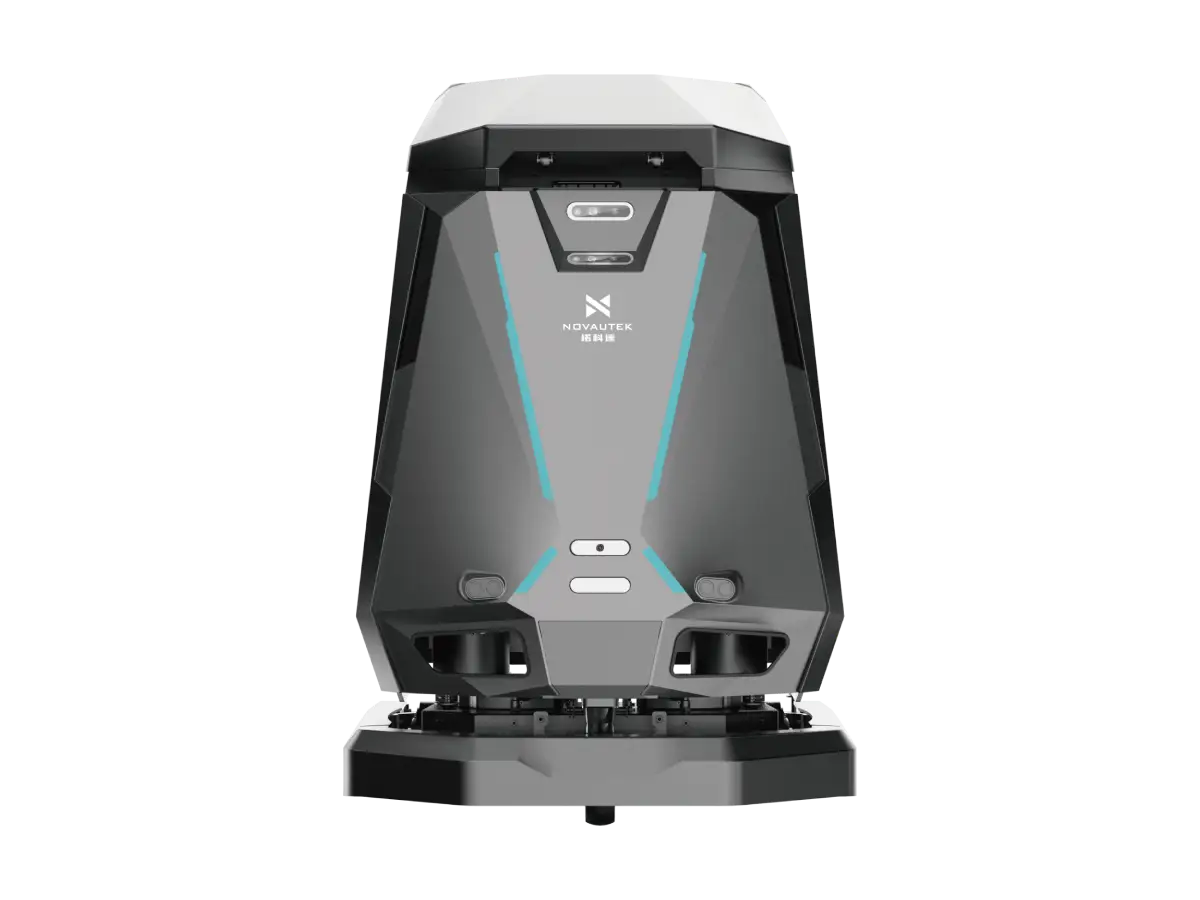
The Evolution of Automated Cleaning Solutions in Industrial Environments
The industrial landscape is undergoing a remarkable transformation with the integration of advanced robotics technology. At the forefront of this revolution are industrial cleaning robots, sophisticated machines that are reshaping how warehouses and manufacturing plants maintain their facilities. These autonomous systems represent a significant leap forward from traditional manual cleaning methods, offering unprecedented efficiency, consistency, and safety in maintaining industrial spaces.
The emergence of industrial cleaning robots marks a pivotal shift in facility maintenance strategies. These intelligent machines combine cutting-edge robotics, sensors, and artificial intelligence to deliver comprehensive cleaning solutions that meet the demanding requirements of modern industrial environments. From sprawling warehouse floors to complex manufacturing facilities, these robots are proving to be invaluable assets in maintaining operational excellence.
Core Components and Technologies
Advanced Sensor Systems and Navigation
Industrial cleaning robots are equipped with sophisticated sensor arrays that enable them to navigate complex industrial environments with precision. These sensors include LiDAR (Light Detection and Ranging) technology, which creates detailed 3D maps of the facility, and obstacle detection systems that ensure safe operation around equipment, inventory, and personnel. The combination of these technologies allows the robots to clean efficiently while avoiding collisions and adapting to dynamic workplace layouts.
The navigation systems employ simultaneous localization and mapping (SLAM) algorithms, enabling the robots to maintain accurate positioning even in large industrial spaces. This advanced technology ensures complete coverage of the designated cleaning areas while optimizing travel paths for maximum efficiency.
Cleaning Mechanisms and Tools
Modern industrial cleaning robots feature versatile cleaning mechanisms designed to handle various surface types and contamination levels. These include high-powered vacuum systems, scrubbing brushes, and specialized cleaning solutions dispensers. The robots can automatically adjust their cleaning intensity based on the level of dirt detected, ensuring optimal results while preserving floor surfaces and minimizing resource consumption.
The cleaning mechanisms are engineered for durability and consistent performance in demanding industrial environments. Many models incorporate modular designs that facilitate quick maintenance and component replacement, minimizing downtime and maintaining operational efficiency.
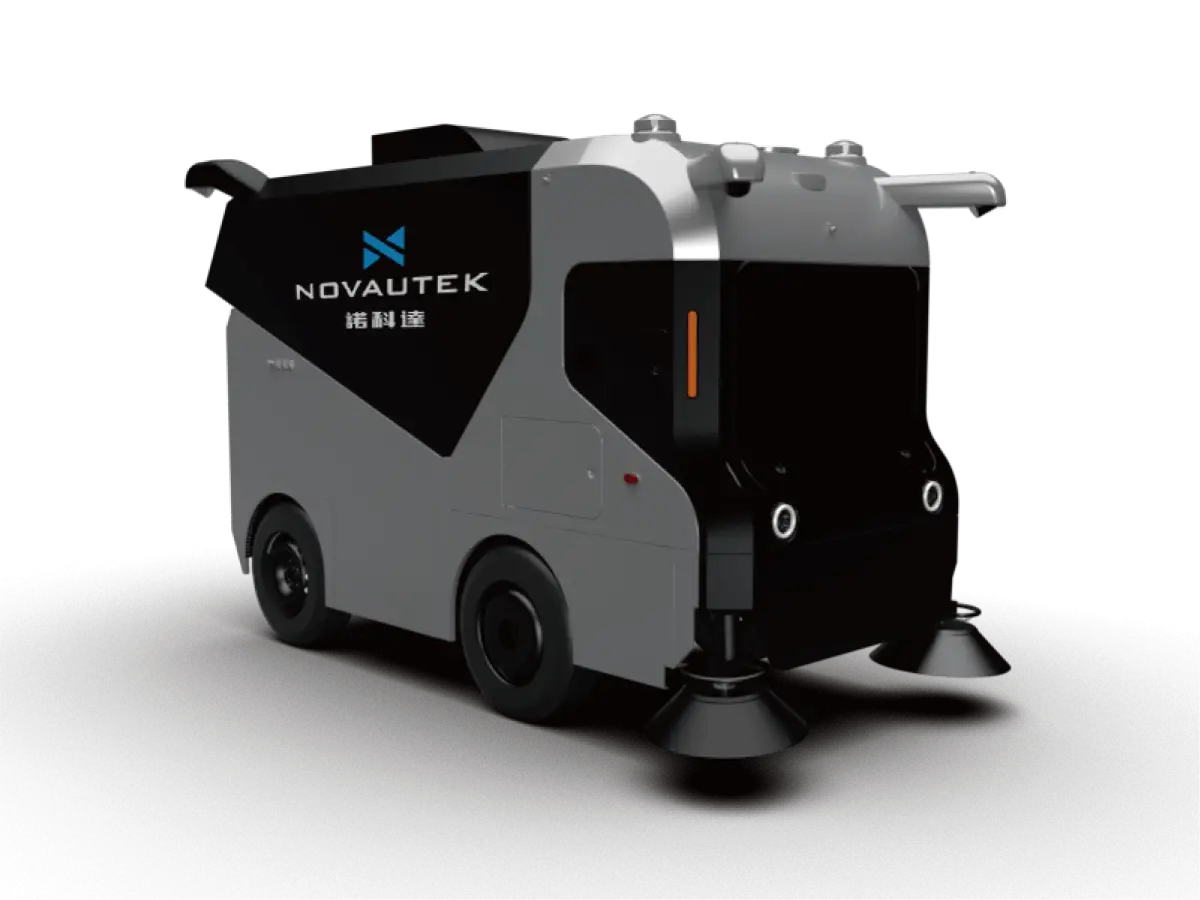
Operational Benefits and ROI
Enhanced Cleaning Efficiency and Consistency
Industrial cleaning robots deliver superior cleaning results through their methodical approach and advanced technology. These machines maintain consistent cleaning patterns and pressure, ensuring uniform results across large areas. Unlike human operators who may tire or miss spots, robots maintain the same high standard of cleaning throughout their operational period, resulting in better overall facility cleanliness.
The automated systems can operate during off-peak hours or overnight, maximizing facility uptime and productivity. This flexibility in scheduling helps organizations optimize their maintenance routines while minimizing disruption to regular operations.
Cost Savings and Resource Optimization
The implementation of industrial cleaning robots often leads to significant cost savings over time. While the initial investment may be substantial, the reduced labor costs, improved cleaning efficiency, and optimal use of cleaning supplies contribute to a favorable return on investment. These robots can operate for extended periods with minimal supervision, reducing the need for multiple shift workers and associated labor costs.
Additionally, the precise control of cleaning solution dispensing and water usage results in reduced resource consumption. This efficiency not only lowers operational costs but also supports sustainability initiatives by minimizing environmental impact.
Safety and Compliance Features
Built-in Safety Protocols
Industrial cleaning robots incorporate multiple safety features to ensure secure operation in busy industrial environments. Emergency stop systems, collision avoidance technology, and real-time monitoring capabilities help prevent accidents and protect both equipment and personnel. These safety systems are designed to meet or exceed industry standards and regulations.
The robots' ability to operate in potentially hazardous environments also reduces human exposure to cleaning chemicals and unsafe conditions, contributing to improved workplace safety metrics.
Regulatory Compliance and Documentation
Modern industrial cleaning robots help facilities maintain compliance with cleaning and safety regulations through detailed documentation of cleaning activities. These systems can generate comprehensive reports tracking cleaning patterns, frequency, and effectiveness, providing valuable data for audit purposes and quality control.
The consistent performance of these robots helps maintain standardized cleaning protocols, ensuring compliance with industry-specific cleanliness requirements and safety standards.
Integration and Implementation Strategies
Facility Assessment and Planning
Successful deployment of industrial cleaning robots begins with a thorough assessment of the facility's layout, cleaning requirements, and operational patterns. This evaluation helps determine the optimal number and type of robots needed, as well as identifying any necessary modifications to the facility infrastructure.
The implementation plan should consider factors such as charging station placement, cleaning schedule optimization, and integration with existing maintenance protocols to ensure smooth adoption of the robotic cleaning system.
Staff Training and System Management
While industrial cleaning robots operate autonomously, proper training of maintenance staff and system operators is crucial for maximizing their effectiveness. Personnel must understand how to program cleaning routes, perform basic maintenance, and respond to any alerts or issues that may arise during operation.
Ongoing monitoring and adjustment of the robots' performance ensure optimal results and help identify opportunities for further optimization of cleaning routines.
Frequently Asked Questions
What maintenance is required for industrial cleaning robots?
Regular maintenance typically includes cleaning sensors and cameras, checking and replacing brushes or pads, emptying collection tanks, and updating software. Most systems require daily basic maintenance and periodic comprehensive servicing to ensure optimal performance and longevity.
How long can industrial cleaning robots operate between charges?
Most industrial cleaning robots can operate for 4-6 hours on a single charge, depending on the model and cleaning tasks performed. Many systems are designed to automatically return to their charging stations when battery levels are low, ensuring continuous operation with minimal downtime.
Can industrial cleaning robots work alongside human staff?
Yes, these robots are designed with advanced safety features that allow them to work safely in environments with human workers. Their sophisticated sensor systems detect and avoid obstacles and people, making them ideal for collaborative cleaning operations in busy industrial settings.